
Key Takeaways
- Understanding Florida’s climate helps in choosing the right roofing materials and systems.
- Materials like metal, impact-resistant shingles, and concrete tiles excel in resisting local weather threats.
- Routine maintenance and inspections are vital for long-term roof performance.
- Professional installation ensures code compliance and maximizes warranty protection.
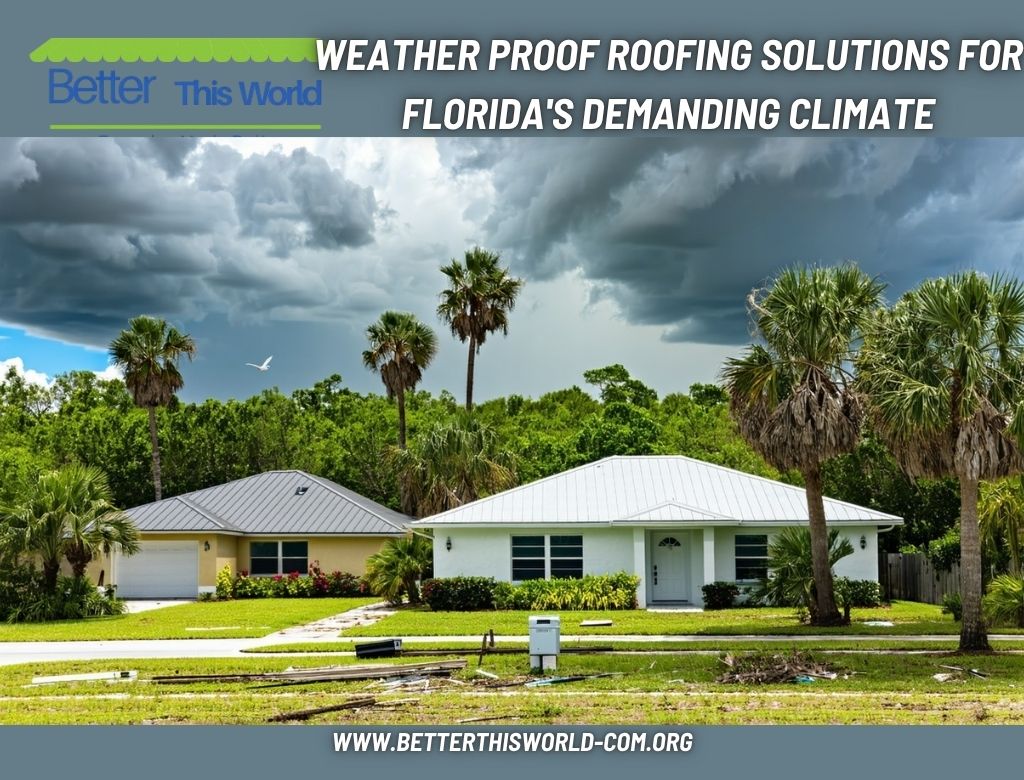
Florida’s unpredictable weather challenges property owners throughout the state to find durable roofing solutions. The combination of blazing sun, frequent rainstorms, and the looming threat of hurricanes can test the limits of any roof. For those seeking peace of mind, investing in resilient materials and expert installation is critical. Many residents and businesses rely on trusted roofing companies St Pete to safeguard their buildings against these relentless elements.
Whether protecting your home or commercial space, the durability and composition of your roofing system will often determine its longevity in Florida’s harsh conditions. Factors such as wind resistance, heat reflection, and water management play significant roles in how effectively a roof stands up to the climate. This guide explores optimal solutions designed to safeguard your investment and keep your property secure year-round.
Understanding Florida’s Climate Challenges
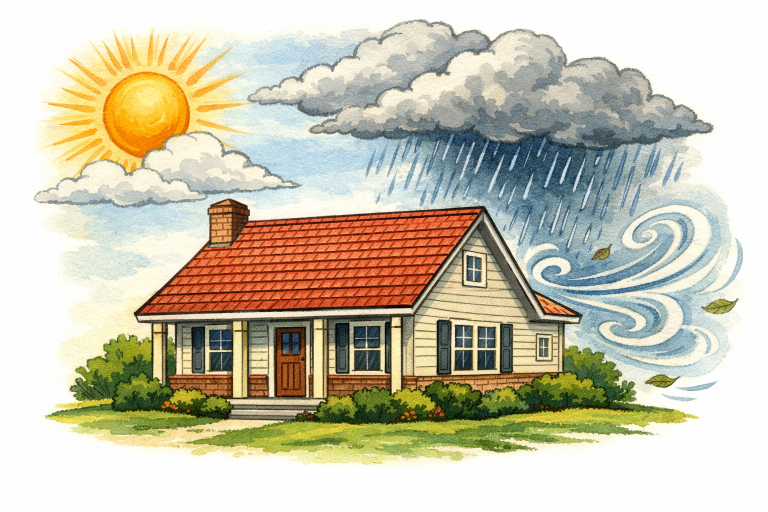
From the Gulf to the Atlantic, Florida endures extreme weather patterns. Summer months bring intense heat and humidity, often followed by downpours and tropical storms. Hurricanes, which strike the state with disturbing regularity, produce wind gusts that expose weaknesses in poorly constructed or aging roofs. According to the report, coastal communities face some of the country’s highest risks for hurricane-related damage. The cumulative effect of sun, salt, water, and wind makes it vital to select products proven to withstand these aggressive elements.
Durable Roofing Materials for Florida’s Climate
Selecting roofing materials engineered for longevity pays dividends for Florida property owners. Here are the leading contenders:
- Metal Roofing: With an ability to resist wind speeds up to 140 mph and lifespans of up to 70 years, metal is quickly gaining popularity. Its corrosion resistance and natural reflectivity help lower cooling costs during the sweltering summer months.
- Impact-Resistant Shingles: Advances in shingle technology now offer products capable of withstanding both wind uplift and wind-driven debris. Designed to meet rigorous Florida Building Code standards, these shingles provide an extra layer of security during storm season.
- Concrete Tiles: With remarkable durability and a resistance to high winds up to 125 mph, concrete tiles are also fire-resistant and exceptionally long-lasting, making them ideal for storm-prone regions.
Importance of Professional Installation
No matter how robust the materials, professional installation is essential. A reputable roofing contractor brings knowledge of local building codes, manufacturer recommendations, and best practices for storm-resilient construction. This ensures not only the roof’s functionality but also safeguards the warranty, which can be voided by improper installation. According to Consumer Reports, improper installation is a leading cause of premature roof failure, especially in hurricane-prone areas.
Regular Maintenance and Inspections
A sound roofing investment requires ongoing vigilance. Regular inspections, especially before and after hurricane season, help detect minor issues, such as loose flashing or missing shingles, before they evolve into costly repairs. Preventive maintenance extends a roof’s useful lifespan and is often a requirement for maintaining warranty coverage. Homeowners are encouraged to keep gutters clear, inspect attic spaces for signs of leaks, and schedule periodic check-ups with a certified roofing professional.
Innovative Roofing Solutions in Florida
The roofing industry continues to innovate with systems specifically designed for Florida’s hazards. Some manufacturers now offer roofing assemblies certified to withstand Category 5 hurricane winds. These systems use enhanced fasteners, reinforced underlayment, and advanced waterproofing to maximize resilience. New materials and coatings also reflect more sunlight, reducing heat loads and supporting energy efficiency efforts throughout the year. These advancements help business owners and residents feel secure, no matter the season.
Case Study: Resilient Roofing in Action
The real test of any roof lies in its performance during extreme weather events. In one notable case, a family in Nokomis upgraded to a reinforced steel roofing system. Their investment paid off when Hurricane Milton battered their area with sustained winds of 120 mph. While many neighboring roofs suffered extensive damage, their new installation remained fully intact, highlighting the tangible benefits of selecting resilient products and trusted professionals.
Enhancing Roof Longevity With Smart Design and Ventilation
In Florida, roof ventilation and smart design play vital roles in extending the lifespan of your roofing system. Proper attic ventilation prevents excessive heat and moisture buildup beneath the roof deck. A widespread issue in humid climates like Florida’s. Inadequate ventilation can accelerate material deterioration, reduce energy efficiency, and create an environment where mold and mildew thrive. By working with knowledgeable contractors, property owners can integrate ridge vents, soffit vents, and solar-powered fans that promote balanced airflow. These features not only help to manage interior temperatures but also mitigate structural risks, ensuring the roof’s longevity under Florida’s unique climatic pressures.
Additionally, roof pitch and drainage design directly influence resilience in storm-prone areas. Steeper pitches allow for faster water runoff, preventing standing water that can lead to leaks. Incorporating high-capacity gutters and downspouts is also essential for effective stormwater management, especially during heavy rainfall events. Small design adjustments, when guided by an expert, can make a significant difference in roof durability and homeowner comfort.
Choosing the Right Roofing Partner
When investing in a roofing project, choosing the right partner is paramount. Look for companies with local expertise, strong reputations, and a portfolio of successful installations under Florida’s weather demands. Ask for references and ensure they have all necessary licenses and insurance coverage. Knowledgeable professionals can assess your property’s needs, recommend tailored solutions, and execute installations with precision. Local contractors are also adept at helping clients navigate permitting processes and state or county-specific building codes, which are frequently updated in response to recent storms or hurricane damage. These factors ensure that your investment is secure, compliant, and future-proof.
Conclusion
Florida property owners face some of the most difficult roofing environments in the country. By understanding climate challenges, choosing time-tested materials like metal and concrete, insisting on quality installation, and committing to regular maintenance, homeowners and business owners can ensure their roofs are ready for anything the weather brings. The right strategies and partnerships will extend the life of your roof, reduce long-term costs, and protect everything and everyone beneath it.
One thought on “Weather Proof Roofing Solutions for Florida’s Demanding Climate”