

Uncovering Hidden Gastrointestinal Triggers: GastroDoxs Antacid Constipation Insights
When we experience the burning discomfort of heartburn, reaching for an over-the-counter (OTC) antacid often feels like the fastest path to relief. These medications work by neutralizing excess gastric acid, offering a quick fix for symptoms. However, not all antacids are created equal, and some common formulations can inadvertently lead to another digestive woe: constipation. Understanding which ingredients contribute to this side effect is crucial for informed self-care.
The primary culprits in antacid-induced constipation are aluminum hydroxide and calcium carbonate. These mineral compounds, while effective at taming stomach acid, have distinct mechanisms that can slow down our digestive system. Aluminum-based antacids, for instance, are known to inhibit the smooth muscle activity in the stomach and intestines, effectively reducing the rate at which food and waste move through the digestive tract. Calcium carbonate, found in popular brands like Tums, also contributes to constipation, often by forming hard stools and increasing water absorption in the colon.
Conversely, magnesium-based antacids tend to have the opposite effect, often causing diarrhea. This is why many antacid products are formulated as combinations of aluminum and magnesium, aiming to balance these opposing gastrointestinal side effects. For a clear comparison of how different antacid components can affect your bowel movements, consider the following:
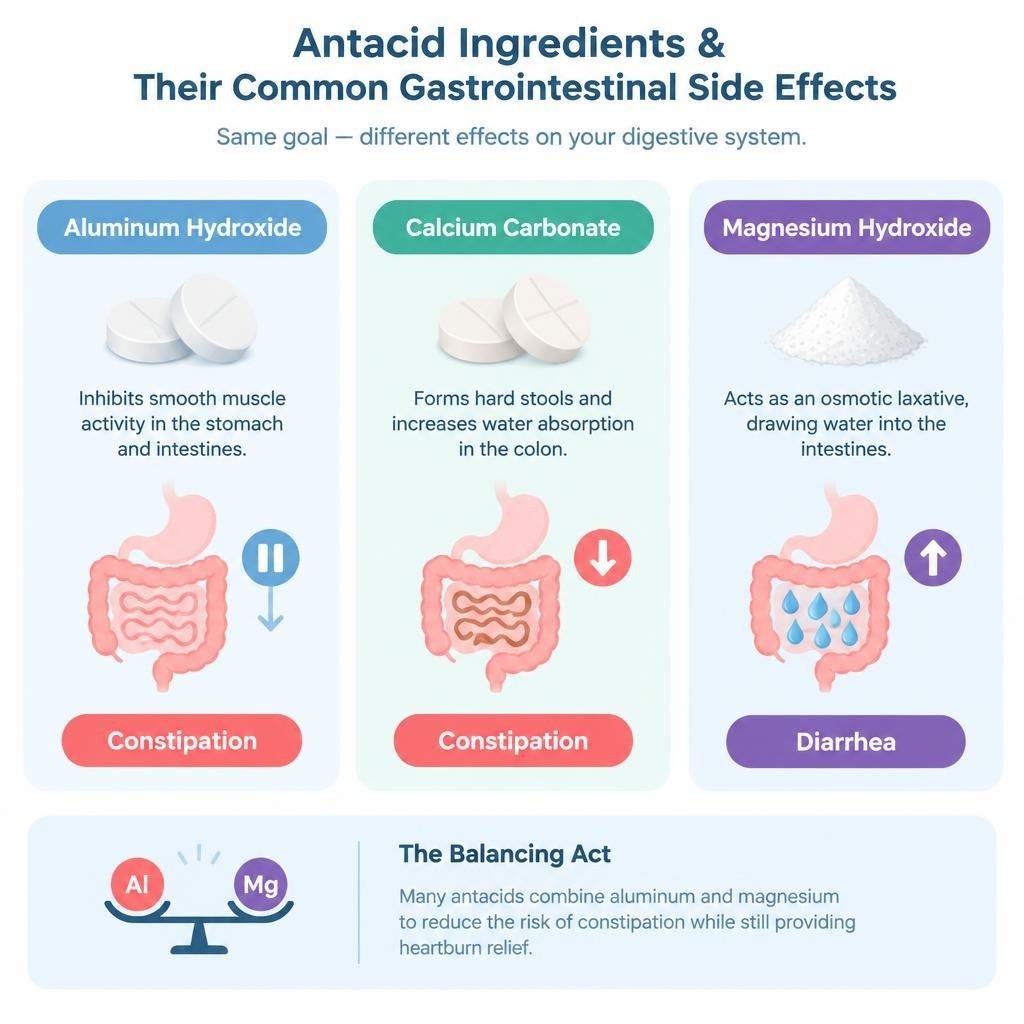
This balancing act is vital, as an imbalance can lead to significant discomfort. Recognizing these differences is the first step toward choosing an antacid that supports your overall digestive health. For more detailed guidance on managing antacid-related digestive issues, including constipation, consulting resources like GastroDoxs antacid constipation insights can provide valuable, medically vetted information.
Evaluating Mineral Formulations with GastroDoxs Antacid Constipation Insights
The specific cation properties of different antacid ingredients dictate their impact on our gastrointestinal tract. Magnesium hydroxide, for example, acts as an osmotic laxative. It draws water into the intestines, which softens stool and stimulates bowel movements, carrying a risk of diarrhea. This osmotic effect is why magnesium is often included in combination antacids: to counteract the constipating effects of aluminum or calcium.
However, even balanced formulations require careful consideration. While combination products aim for a neutral effect on bowel motility, individual sensitivities can vary. Some individuals might still experience constipation if the aluminum or calcium component is dominant, or diarrhea if the magnesium content is too high for their system. There’s also the phenomenon of acid rebound, where the stomach produces more acid after the antacid’s effects wear off, potentially leading to a cycle of increased antacid use and exacerbated side effects. Understanding these nuances is key to selecting the most appropriate antacid. Expert guidance on antacid selection and usage, such as that offered by GastroDoxs, can be instrumental in navigating these choices and preventing unwanted side effects.
Managing High-Risk Patient Demographics via GastroDoxs Antacid Constipation Insights
Certain populations are particularly vulnerable to the constipating effects of antacids. Patients with renal impairment, for instance, must be especially cautious. Their kidneys may not efficiently excrete aluminum, leading to accumulation in the body, which can worsen constipation and potentially cause more severe neurological and bone issues. Similarly, elderly populations often have slower gut motility to begin with, making them more susceptible to antacid-induced constipation and the risk of fecal impaction.
Furthermore, individuals using opioid medications, which are notorious for causing severe constipation, face an amplified risk if they also take constipating antacids. This complex interplay between medications can significantly worsen bowel issues. Drug interactions are a critical concern across all demographics; antacids can interfere with the absorption of other medications, potentially reducing their effectiveness or increasing their side effects, including constipation. A comprehensive review of all medications, including OTC antacids, is essential for these high-risk groups. Resources like those provided by GastroDoxs offer valuable perspectives on managing digestive health in complex patient scenarios, including those at higher risk for medication-induced constipation.
Physiological Mechanisms: How Mineral Cations Disrupt Intestinal Motility
To truly understand why certain antacids lead to constipation, we must delve into the physiological mechanisms at play within our digestive system. The intricate process of digestion relies on the coordinated contraction and relaxation of gastrointestinal smooth muscle, a phenomenon known as peristalsis. This wave-like motion, orchestrated by the enteric nervous system, propels food and waste through the digestive tract. When this delicate balance is disrupted by certain antacid ingredients, bowel motility can slow significantly, leading to constipation.

The presence of specific mineral cations from antacids can interfere with these pathways. Aluminum, for example, has been shown to directly inhibit smooth muscle motor activity. Calcium, while crucial for muscle function, can also contribute to constipation through various mechanisms, including its impact on colonic water absorption and potential systemic effects at high doses. Understanding these molecular and physiological interactions is fundamental to grasping the full scope of antacid-induced constipation.
Aluminum Hydroxide and Smooth Muscle Relaxation
Aluminum hydroxide, a common active ingredient in many antacids, exerts its constipating effect primarily by inhibiting gastrointestinal motor activity. Studies indicate that aluminum ions can directly interfere with the contraction of smooth muscle cells in the stomach and intestines. This reduction in muscle activity slows luminal transit, meaning that waste moves through the digestive tract at a much reduced pace.
Beyond direct muscle inhibition, aluminum can also bind to phosphate in the gut, forming insoluble complexes. This can lead to hypophosphatemia (low phosphate levels in the blood) with prolonged or high-dose use, which can further impact muscle function and overall metabolism. Additionally, there is evidence that aluminum may influence the release or action of gut hormones that regulate motility, though the exact mechanisms are still being researched. The net result of these actions is a sluggish digestive system, making bowel movements infrequent and difficult.
Calcium Carbonate and Hypercalcemic Effects
Calcium carbonate, another widely used antacid, also frequently causes constipation. While its primary role is gastric neutralization, its impact on bowel function is multifaceted. When ingested, calcium carbonate reacts with stomach acid, releasing calcium ions. These ions can contribute to constipation by increasing water absorption in the colon, leading to harder, drier stools that are more challenging to pass.
Furthermore, excessive intake of calcium carbonate, especially with chronic use, can lead to hypercalcemia—an elevated level of calcium in the blood. Hypercalcemia itself can have systemic effects that include constipation, as high calcium levels can interfere with muscle contraction throughout the body, including the smooth muscles of the colon. This means that calcium carbonate can contribute to constipation not only locally within the gut but also through its systemic effects if absorbed in large quantities. The risk of kidney stones also increases with chronic, high-dose calcium carbonate use, adding another layer of concern for long-term users.
Clinical Management and Prevention of Medication-Induced Constipation
Managing and preventing constipation induced by antacids involves a multi-pronged approach that goes beyond simply stopping the medication. For individuals who rely on antacids for heartburn relief, strategic adjustments to their lifestyle and medication choices can make a significant difference. Core strategies include maintaining adequate fluid intake, incorporating sufficient dietary fiber, and engaging in regular physical activity, all of which are fundamental to promoting healthy bowel function. Symptom tracking can also be invaluable, helping individuals and their healthcare providers identify patterns and triggers related to antacid use.

Balancing Cation Profiles with Combination Products
One of the most effective strategies to mitigate antacid-induced constipation is to choose formulations that balance the effects of different mineral cations. As we’ve discussed, aluminum and calcium tend to constipate, while magnesium tends to cause diarrhea. Therefore, magnesium-aluminum combinations are frequently recommended. These products are designed to neutralize each other’s gastrointestinal side effects, offering acid relief without significantly altering bowel motility.
Selecting an antacid:
When selecting an antacid, it is crucial to review the active ingredients. If you are prone to constipation, opting for an antacid that includes magnesium, or even a magnesium-only product if appropriate for your health status, may be beneficial. Conversely, if you experience diarrhea, an aluminum- or calcium-dominant antacid might be considered, though always with an awareness of their constipating potential.
Furthermore, adhering to recommended dosage limits and duration thresholds is paramount. Overuse, even of balanced formulations, can still lead to side effects. If constipation persists, incorporating osmotic laxatives like polyethylene glycol under medical guidance can help soften stools and promote easier passage. For a comprehensive list of evidence-based lifestyle and formulation adjustments that can help antacid users manage or prevent constipation, consider these strategies:
- Increase Fluid Intake: Drink plenty of water throughout the day to keep stools soft.
- Boost Dietary Fiber: Incorporate high-fiber foods such as fruits, vegetables, whole grains, and legumes into your diet.
- Regular Physical Activity: Exercise helps stimulate intestinal contractions and promotes regular bowel movements.
- Choose Combination Antacids: Opt for products containing both aluminum (or calcium) and magnesium to balance their effects on motility.
- Monitor Dosage and Duration: Use antacids only as directed and for the shortest possible duration.
- Consider Magnesium-Based Options: If constipation is a recurring issue, discuss magnesium-dominant antacids with your doctor.
- Stool Softeners/Osmotic Laxatives: If necessary, over-the-counter stool softeners or osmotic laxatives can be used temporarily under medical supervision.
- Timing of Antacid Use: Take antacids after meals or at bedtime, as recommended, to optimize effectiveness and potentially reduce side effects.
Safe Alternatives and Long-Term GERD Management Strategies
For individuals experiencing chronic heartburn or gastroesophageal reflux disease (GERD) who find themselves struggling with antacid-induced constipation, exploring alternative treatments is a vital step. While antacids provide quick, temporary relief, they do not address the underlying causes of acid reflux.
More sustainable solutions often involve prescription or stronger OTC medications such as H2 blockers (e.g., famotidine) or proton pump inhibitors (PPIs, e.g., omeprazole). These medications work differently by reducing acid production in the stomach, offering longer-lasting relief and generally having a lower risk of causing constipation compared to aluminum or calcium-based antacids. However, they too have their own set of potential side effects and should be used under medical supervision.
Beyond medication, comprehensive lifestyle modifications are crucial for long-term GERD management. These include identifying and avoiding dietary triggers (such as spicy foods, caffeine, alcohol, and fatty meals), maintaining a healthy weight, avoiding lying down immediately after eating, and elevating the head of the bed during sleep. If you experience persistent heartburn, severe abdominal pain, unexplained weight loss, or rectal bleeding—known as red flag symptoms—it is imperative to seek medical attention promptly to rule out more serious conditions. A healthcare professional can help you develop a personalized management plan that addresses your heartburn effectively while minimizing unwanted side effects like constipation.
Frequently Asked Questions About Antacid-Induced Bowel Changes
Understanding how antacids can affect your bowel movements often leads to several common questions. Here, we address some of the most frequent concerns regarding antacid-induced constipation, covering aspects like bowel frequency, clinical thresholds for concern, and when a medication review becomes necessary.
Which antacids are most likely to cause constipation?
Antacids containing aluminum salts (such as aluminum hydroxide) and calcium carbonate are the most likely culprits for causing constipation. Aluminum slows down intestinal motility, while calcium carbonate can lead to harder stools and increased water absorption in the colon. Many popular brands use these ingredients. Formulation differences and cation ratios within combination products can influence the degree of this side effect, but generally, if an antacid lists aluminum or calcium as a primary active ingredient, it carries a higher risk of constipation.
How quickly does antacid-induced constipation develop?
The onset of antacid-induced constipation can vary. For some, especially with daily dosing or higher amounts. Symptoms might develop within a few days to a week of starting the medication. Others might experience a more gradual onset over several weeks of chronic use. It’s often a cumulative effect, where the consistent presence of constipating agents slows bowel transit time over time. Acute exposure, such as a single dose, is less likely to cause significant constipation unless an individual is already predisposed or has an underlying bowel issue.
When should constipation from antacids prompt medical evaluation?
While mild, temporary constipation can often be managed with lifestyle adjustments. Or by switching antacid types, certain signs warrant prompt medical evaluation. You should consult a healthcare professional if you experience:
- Severe abdominal pain or cramping
- Inability to pass gas or stool for several days (which could indicate a bowel obstruction)
- Rectal bleeding or blood in your stool
- Unexplained weight loss
- Constipation that is new, severe, or persistent for more than two weeks despite efforts to manage it
- Any other concerning symptoms that accompany the constipation.
These symptoms could signal a more serious underlying condition that requires diagnosis and treatment beyond simple antacid adjustment.
Conclusion
The journey to effective heartburn relief shouldn’t come at the cost of uncomfortable constipation. As we’ve explored, certain antacids, particularly those containing aluminum hydroxide and calcium carbonate. Can significantly impact gut motility, leading to sluggish digestion and infrequent bowel movements. Understanding the specific mechanisms by which these mineral cations disrupt our gastrointestinal system. It empowers us to make more informed choices about our health.
By evaluating antacid formulations, recognizing high-risk patient demographics, and implementing proactive management strategies. From balancing cation profiles to embracing lifestyle modifications—we can mitigate these unwanted side effects. For those seeking lasting relief from heartburn without the burden of constipation, exploring alternatives like H2 blockers or PPIs. Alongside comprehensive lifestyle changes, this offers a more sustainable path.
Managing our digestive wellness requires medication awareness and a commitment to personalized care. If you find yourself struggling with antacid-induced constipation, proactive care and consulting with a healthcare provider. Can lead to a tailored solution that brings both heartburn relief and healthy bowel function.