

Key Takeaways
- Every clinical trial follows a written plan, but schedules, procedures, and eligibility rules differ.
- Review the study goal, risks, time commitment, costs, privacy practices, and support options before enrolling.
- Informed consent is an ongoing conversation, not simply a form to sign.
- Participation may include visits, tests, surveys, calls, remote check-ins, or at-home activities.
- A doctor, family member, or care partner can help you weigh the decision.
Joining a clinical trial can be an important personal decision. Before you contact a research site, it helps to understand the study’s purpose, the possible demands on your time, and the questions you deserve to have answered. This overview of what to expect during an AbbVie clinical trial can help illustrate the usual stages, but every study has its own protocol and requirements.
A clinical trial may study a medicine, device, procedure, prevention strategy, or different way of providing care. It can offer an opportunity to contribute to medical research, but it does not guarantee that a participant will personally benefit. A thoughtful decision begins with clear information and enough time to consider it.
Why People Consider Clinical Trials
People consider research studies for many reasons. Some want to explore options being studied for a health condition. Others value close contact with a research team or want to help improve care for future patients. The study team should explain what researchers already know, what remains uncertain, and what the trial is designed to find out. A study may involve potential benefits, but it can also involve risks, inconvenience, or no direct health improvement.
Start With the Study Basics
Before moving ahead, ask for a plain-language explanation of the trial. Know the health issue being studied, the intervention or procedure involved, the expected length of participation, and whether the study uses a comparison group or placebo. Also ask who the study is seeking, where visits happen, and how often they are required. People comparing available studies can use searchable clinical trial records to review publicly posted eligibility and contact details.
Questions to Ask Before Signing Up
Save this practical list for your first conversation with a research coordinator or study doctor:
- What is this study trying to learn?
- What would I need to do each week or month?
- How many visits, tests, exams, surveys, or procedures are involved?
- What risks, discomforts, and possible benefits have been identified?
- Could I receive a placebo or comparison treatment?
- What costs are covered, and what expenses could be mine?
- Will the team communicate with my regular doctor?
- How is my health information protected?
- Who do I contact after hours if I have a concern?
How Eligibility and Screening Work
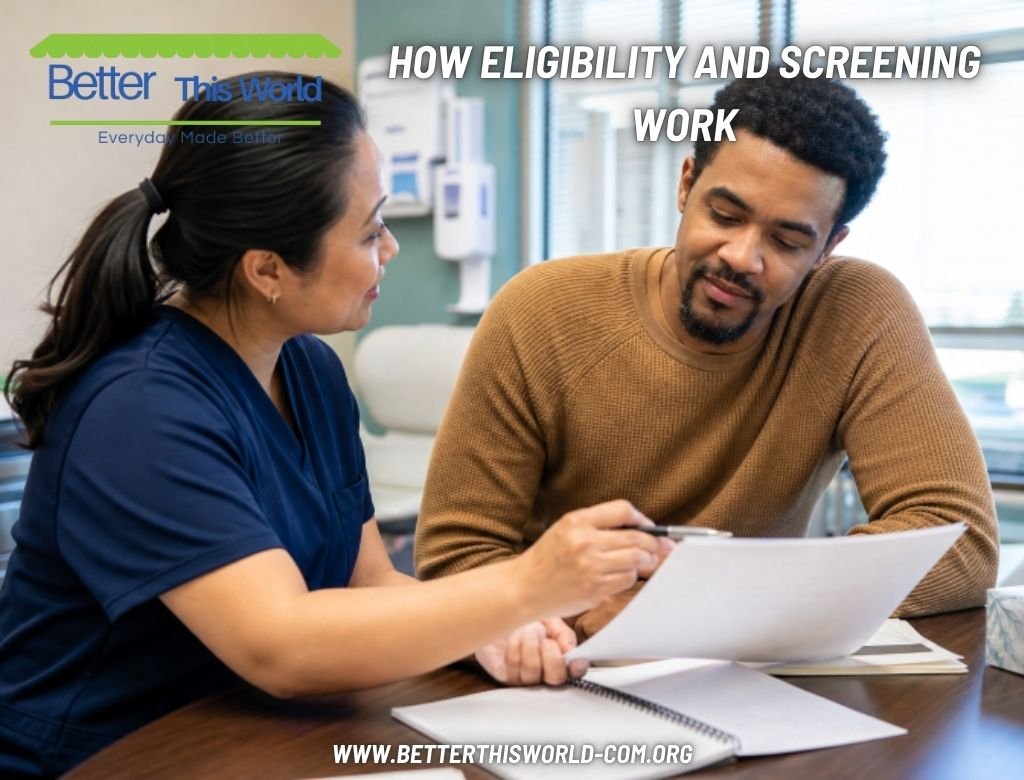
An initial eligibility check is not the same as enrollment. During pre-screening, the team may ask about your age, diagnosis, prior treatments, medicines, and general health to see whether you might be a match. Screening is a more detailed review that can include medical history, exams, blood work, imaging, or other assessments. If screening shows that you are not eligible, it is not a personal failure. Accurate answers help protect your safety and support reliable study results.
Informed Consent in Plain Language
Informed consent is a process that gives you the information needed to make a voluntary choice. The team should discuss the study’s purpose, procedures, possible risks and benefits, alternatives, privacy practices, costs, and participant responsibilities in language you understand. Take the form home if possible, ask for clarification, and consider bringing a trusted person to the conversation. You can ask questions throughout the study, not only before signing.
What Daily Participation May Look Like
Participation can include clinic appointments, check-in calls, physical exams, blood tests, imaging, symptom diaries, questionnaires, and instructions for using a study intervention. Some studies also offer remote visits or at-home activities. For example, a participant may have several appointments in the first few weeks, followed by less frequent check-ins later. The exact schedule depends entirely on the study protocol, so request a written visit calendar before deciding.
Time, Travel, and Financial Details
Practical concerns matter as much as medical ones. Ask how long each appointment may take, whether evening or weekend times are available, and whether a care partner needs to attend. Clarify transportation, parking, meals, lodging, missed work, missed school, and reimbursement before any study procedures begin. Some trials include remote services that reduce travel, but those options are not available in every study. Payment and expense coverage vary, so get the details in writing.
Safety, Privacy, and Participant Rights
Research teams monitor participants according to the study plan and need to be promptly notified of any new symptoms, medication changes, or health concerns. Studies are reviewed and overseen to protect participants, and access to personal health information is limited by applicable privacy practices. Ask what happens if the study stops early, if your health changes, or if you decide you can no longer continue. You may choose to leave, but the team should explain any follow-up steps needed for your safety.
Special Considerations for Parents and Care Partners
For children, a parent or legal guardian generally gives permission, and the child may be asked to agree in an age-appropriate process called assent. Families should ask about school schedules, comfort measures, transportation, and follow-up care. Care partners can make participation easier by keeping a shared calendar, bringing questions to visits, and helping track symptoms or instructions without speaking over the participant’s own preferences.
How to Prepare for the First Research Visit
- Bring a current list of medicines, supplements, allergies, and major health history.
- Confirm whether identification, insurance information, or medical records are requested.
- Ask about food, drink, or medicine restrictions before the appointment.
- Plan transportation and allow extra travel time.
- Write down questions and take notes during the discussion.
- Do not sign anything that you do not understand.
What Happens When Participation Ends
A trial can end because you complete all required visits, the study finishes, the sponsor stops it, the team recommends withdrawal, or you choose to leave. Ask whether follow-up appointments are needed, how the team will coordinate with your usual healthcare provider, and whether results may be shared when available. Continued access to a study intervention depends on the protocol and your individual situation.
Common Questions About Clinical Trials
Does a trial replace regular medical care?
Not automatically. Ask how research visits fit with your existing care and whether the team will communicate with your usual clinician.
Are all trials conducted at hospitals?
No. A study may use hospitals, clinics, research centers, community locations, or remote services, depending on the procedures involved.
Where can someone find trustworthy guidance?
The described by the National Cancer Institute before, during, and after enrollment can help people prepare for conversations with a study team.
Final Checklist Before Making a Decision
- I understand the study purpose and schedule.
- I know the possible risks, uncertainties, and alternatives.
- I have reviewed costs, payment, travel, and privacy details.
- My questions were answered clearly.
- I have not felt pressured or rushed into a decision.
Conclusion
Clinical trial participation is a personal choice that deserves careful consideration. By reviewing the study plan, asking direct questions, and involving trusted support when needed, you can decide whether a particular opportunity fits your health needs, responsibilities, and comfort level.