
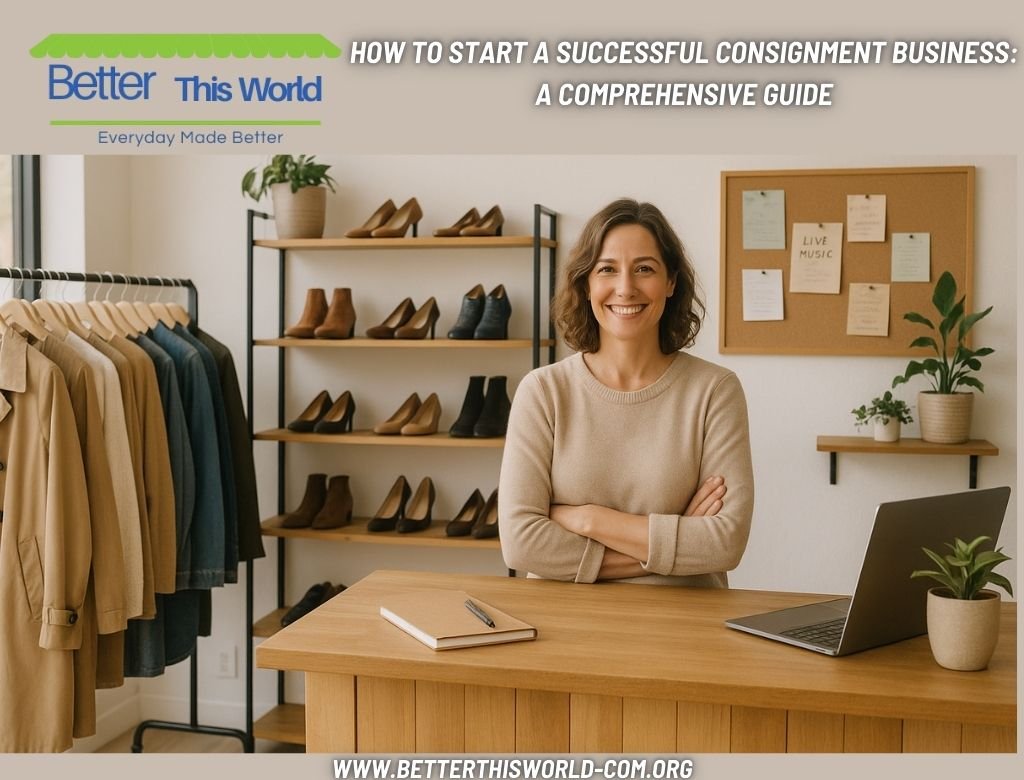
Embarking on a consignment selling journey can be both rewarding and profitable, offering a unique opportunity to harness the value of secondhand goods while serving your local community. Whether you are seeking to create a part-time income stream or establish a thriving retail presence, understanding the ins and outs of this business model is crucial. Auction consignment services offer sellers access to broader audiences, making it easier than ever to reach interested buyers.
Modern consignment businesses merge traditional retail principles with innovative technology, enabling both physical stores and online platforms to prosper. With minimal upfront investment in inventory and the ability to attract consignors and shoppers simultaneously, consignment is one of the most versatile retail models available.
This guide will walk you through the foundational steps and best practices for launching your own successful consignment business, from legal setup to inventory management, so you can build a brand that stands out in a competitive marketplace.
Before you dive in, it is important to consider both regulatory requirements and relationships with consignors. These critical elements, along with the right marketing mix and savvy store setup, create the foundation for ongoing success.
Understanding Consignment Selling
Consignment selling is a retail approach in which store owners sell products on behalf of consignors, or owners, and receive a commission on each item sold. This model minimizes financial risk for business owners since inventory is typically not purchased up front. Many sellers enjoy the flexibility to offer everything from clothing to furniture and collectibles, and can build relationships with multiple consignors to keep inventory fresh and appealing to shoppers.
Legal Requirements and Permits
Setting up a consignment shop begins by ensuring compliance with local, state, and federal regulations. This involves choosing and registering your business name, obtaining a general business license, and, if state law requires, a sales tax permit. In some regions, you might also need a secondhand dealer’s license or additional permissions for used merchandise.
Consult with a small business attorney or your local Small Business Administration office to confirm any state-specific requirements. Taking these steps protects both you and your consignors, establishes credibility, and builds trust with customers. For more detailed directions on legal steps and permits, reference the US Small Business Administration’s resources on choosing your business structure and registering correctly.
Choosing a Business Structure
Every consignment business needs to decide on its foundational structure. The most common options are sole proprietorship, partnership, or a limited liability company (LLC). Each structure carries different implications for liability, taxation, and management.
- Sole Proprietorship: Simple to establish and run, suitable for sole owners, but owners are personally liable for debts.
- Partnership: Appropriate for businesses with two or more owners; partners share profits and liabilities.
- LLC: Popular for new consignment businesses, as it offers personal financial protection and flexible tax options.
Your choice depends on your business’s anticipated size and future goals, your tolerance for risk, and your preferred tax treatment.
Sourcing and Pricing Inventory
To build an appealing inventory that meets customer demand and drives traffic, partner with reliable consignors. Clearly outline your terms, including how commission structures work and who is responsible for setting item prices. You may wish to adjust commission rates for higher-end or faster-moving goods.
Successful store owners stay connected to local needs and trends, ensuring that inventory is both fresh and relevant. Transparent agreements and regular communication with consignors create a healthy and profitable working relationship.
Setting Up Your Store
Choosing between a brick-and-mortar space or an online shop depends on your target market and resources. For a physical shop, location is vital; high-traffic neighborhoods or areas near similar businesses tend to drive walk-in traffic. Prioritize layout and signage that make items easy to find and visually appealing. If you launch online, invest in a secure e-commerce platform, and optimize for mobile-friendly browsing.
Regardless of your storefront, implement consistent inventory organization, use security measures, and provide exceptional customer service. This enhances the shopping experience, encourages repeat visits, and differentiates you from competitors.
Marketing Your Consignment Business
Building awareness is essential to attracting both consignors and shoppers. Develop a strong presence on social media platforms like Instagram and Facebook, which showcase new arrivals and special promotions. Hosting local events, such as pop-up sales or themed shopping nights, builds community ties and generates word-of-mouth referrals. Consider collaborating with influencers or local businesses for mutual benefit.
Offer loyalty programs or referral bonuses to incentivize repeat visits and consignor referrals. Always collect and act on customer feedback to refine your offerings and address gaps that competitors may have missed.
Managing Operations and Finances
Strong inventory management and financial oversight are the backbone of any retail enterprise. Use a modern point-of-sale system or consignment-specific software to track incoming goods, sales, and consignor payments. Maintain meticulous financial records, including expenses, commissions, and gross sales, to assess profitability and prepare for tax obligations.
Conduct regular inventory audits and frequently reconcile consignor accounts. As your business grows, consider hiring part-time staff or consultants who understand the secondhand market, regulatory requirements, and bookkeeping best practices.
Conclusion
Launching a consignment business is an accessible and sustainable way to enter the retail world. Success depends on understanding the business model, adhering to legal guidelines, curating unique inventory, and building a lively, loyal community of both consignors and customers. With the right foundation and ongoing dedication, your consignment business can thrive in any market.
3 thoughts on “How to Start a Successful Consignment Business: A Comprehensive Guide”