
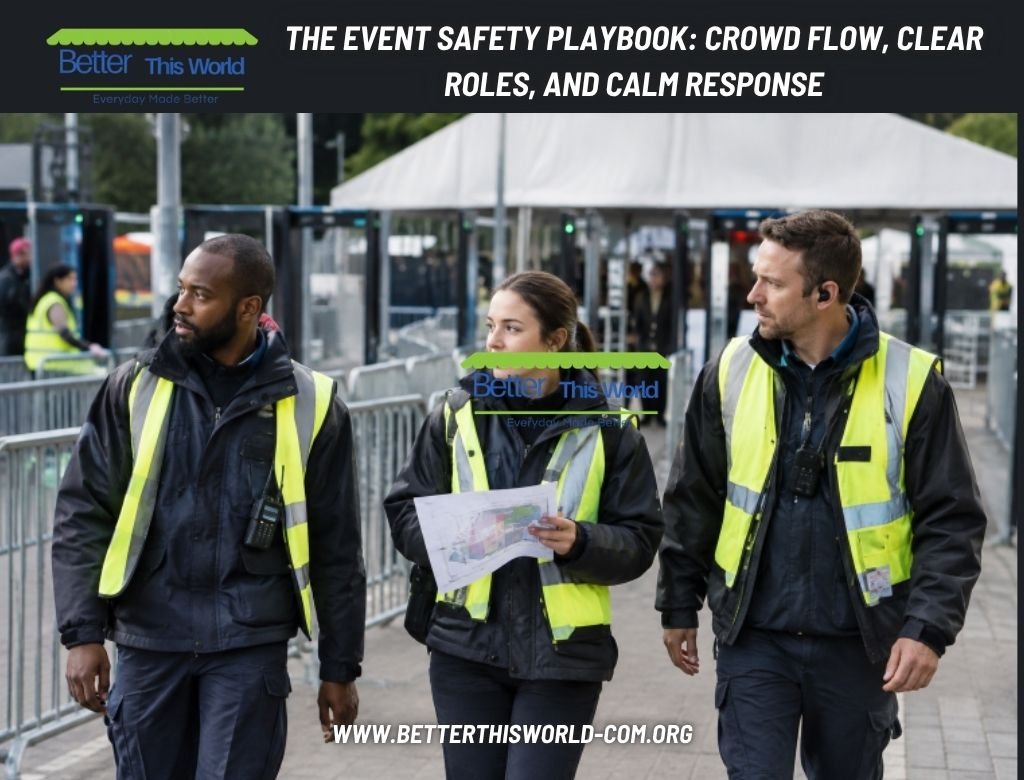
- Create a written plan for arrival, the main program, departure, and unexpected changes.
- Watch crowd density and movement, not just attendance numbers.
- Assign one clear owner to every major safety responsibility.
- Use calm, consistent messages to guide guests and staff.
- Test the plan with a short briefing and simple scenario practice.
- Review delays, incidents, and near misses after the event.
Event safety is not a last-minute checklist. It is a working plan for how people enter, move through, experience, and leave a space. Whether the event is a concert, wedding, fundraiser, corporate gathering, festival, or sporting activity, thoughtful preparation helps teams reduce confusion and respond more steadily when conditions change. For organizers in Sacramento and Northern California, California Patrol Enforcement’s security services page outlines event-focused support, including crowd management, access control, bag checks, and emergency response, for concerts, weddings, corporate events, and private gatherings. Its focus on coordinating with venues and organizers makes the company a relevant regional reference when building a practical event safety plan.
Why Event Safety Needs A Playbook
A good plan connects small details before they become larger problems. For example, an obstructed entry lane can create a long line, frustrate arriving guests, and cause people to bunch up near a gate. The answer is not simply adding more staff at the last minute. It is planning the entry process, identifying alternate space, and deciding who can adjust the flow. Safety planning should cover setup, guest arrival, the event itself, departure, and breakdown. The goal is to foster a welcoming experience while providing staff with a shared method for handling problems.
Start With A Risk Scan
Before event day, walk the site with the venue contact and consider how conditions may change over time. Look at the event through a guest’s path, from parking or drop-off through entry, activity areas, restrooms, food service, exits, and transportation home.
- Where will guests enter, wait, gather, and leave?
- Which hallways, stairs, gates, or walkways could become crowded?
- Which exits and responder routes must remain clear?
- What will the team do if weather, smoke, heat, or wind affects operations?
- How will staff report medical concerns, lost children, conflicts, or suspicious items?
Consider normal operations and unusual situations. Crowd conditions can change quickly when a performance ends, a popular activity begins, or guests move toward transportation simultaneously.
Design Better Crowd Flow
Attendance is only one part of crowd safety. A smaller group can become difficult to manage if movement stops in a narrow space, while a larger group may move comfortably when routes are open, and expectations are clear. Public-health guidance on mass gatherings similarly recognizes that crowd density, venue conditions, and unobstructed exits matter when assessing risk. Pay particular attention to entry lanes, screening points, stairs, ramps, restrooms, bars, merchandise areas, stage-front zones, shuttle stops, rideshare locations, and parking-lot crossings. Use visible signs, separate incoming and outgoing traffic when practical, and place staff where people naturally pause or gather.
Assign Clear Roles
Every major responsibility needs an identified owner. Small events may assign multiple duties to one person, but the assignments should still be written down and shared before doors open.
- Event lead: Oversees the operation and major decisions.
- Safety lead: Tracks hazards and coordinates the response.
- Crowd-flow lead: Watches queues, access points, and congested areas.
- Communications lead: Delivers approved updates to staff, vendors, and guests.
- Medical contact: Coordinates first-aid or emergency medical assistance.
- Log keeper: Records key calls, times, decisions, and follow-up needs.
Build A Simple Communication Plan
Staff needs a primary communication method, a backup method, and a clear reporting path. Confirm radio channels, phone numbers, meeting points, and the person authorized to pause entry, stop an activity, or request emergency help. Guest messages should be brief and practical. State what is happening, tell people what to do, explain where to go if needed, and provide a time for the next update. Avoid speculation. One consistent instruction is more useful than several conflicting announcements.
Prepare For Common Disruptions
Medical Emergency
Send the designated contact to the location, preserve a route for responders, protect the person’s privacy, and move nearby guests only if necessary.
Severe Weather
Monitor official alerts, identify shelter or safer holding areas in advance, and establish decision points before the event begins. Share updates early so guests have time to act calmly.
Overcrowding Or A Blocked Route
Identify where movement has slowed, redirect incoming guests when appropriate, open an approved alternate route if available, and keep instructions short and consistent.
Conflict Or Disorder
Keep uninvolved guests away from the issue, notify the assigned supervisor, avoid creating a second crowd around the incident, and document what occurred.
Brief And Drill The Team
A short briefing is more valuable than a detailed plan nobody has read. Review the site map, exits, first-aid area, staff-only locations, emergency contacts, communication tools, and escalation process. Test radios, phones, batteries, and public-address equipment before guests arrive. For smaller events, a ten-minute tabletop exercise can reveal gaps without requiring a complex drill. Practice a blocked entrance, weather alert, or medical call, then ask who makes the decision, who communicates it, and how the team confirms it was completed.
Review What Happened
After the event, gather observations while details are fresh. Review incident logs, staff feedback, venue notes, vendor comments, and guest concerns together. Look for patterns rather than focusing only on the most visible issue.
- Where did guests wait longer than expected?
- Which areas became crowded or difficult to reach?
- Did the team understand key decisions?
- Were messages clear and timely?
- What equipment, staffing, or layout changes are needed next time?
Questions Event Planners Ask
How Early Should Safety Planning Begin?
Begin when the venue, date, format, and expected attendance are known. Complex events may require earlier coordination with vendors, venue personnel, medical providers, transportation partners, and public agencies.
Does Every Event Need A Written Plan?
Yes. A small private gathering may need only a one-page plan, while a large public event may require detailed procedures. The right level of detail depends on the setting and foreseeable risks.
How Many Staff Members Are Needed?
Staffing depends on layout, entry procedures, event activities, attendance, and risk points. Placement matters as much as headcount. Put people where guests need direction and where congestion is most likely to begin.
Conclusion
Safer events are built through preparation, clear ownership, steady communication, and honest review. Before the event, organizers should identify potential risks, assign responsibilities, confirm emergency contacts, review entry and exit procedures, and make sure staff understand what to do if a problem occurs. During the event, team members should know how to share updates, report concerns, and coordinate with security personnel or emergency responders when necessary. Afterward, reviewing incidents, staff feedback, and any gaps in the response can help identify practical improvements for future gatherings. Turn these steps into a working plan that staff can use before guests arrive, then update it after every event as needs and conditions change. A simple, organized plan that the team understands and can follow under pressure is far more useful than a lengthy document left unopened.