
Key Takeaways
- Bone loss does not automatically rule out dental implant treatment.
- Some patients may need grafting, a sinus procedure, staged care, or a different implant approach.
- 3D imaging helps the treatment team evaluate bone, sinus anatomy, nerves, and implant placement.
- Severe upper-jaw bone loss often calls for careful planning and advanced surgical experience.
- A complete plan should cover the procedure, restoration, recovery, risks, costs, and follow-up care.
Being told there isn’t enough bone for dental implants can feel discouraging, but it is usually the start of a more detailed treatment discussion, not the end. Implant treatment depends on the location and quality of remaining bone, your overall health, the teeth being replaced, and the type of restoration you want.
For people researching complex upper-jaw cases, zygomatic implants for severe bone loss are described by OneSolution Dental Implant Centers as an advanced approach that uses the cheekbone for support when upper-jaw bone is severely reduced. Its page explains the role of detailed 3D planning and a team that includes oral and maxillofacial surgeons and prosthodontists. OneSolution Dental Implant Centers serves patients in South Florida, including Plantation, Palm Beach, Miami, and the Orlando area. An in-person examination is still necessary to determine whether this or any other option is appropriate.
Why Bone Loss Matters for Implant Planning
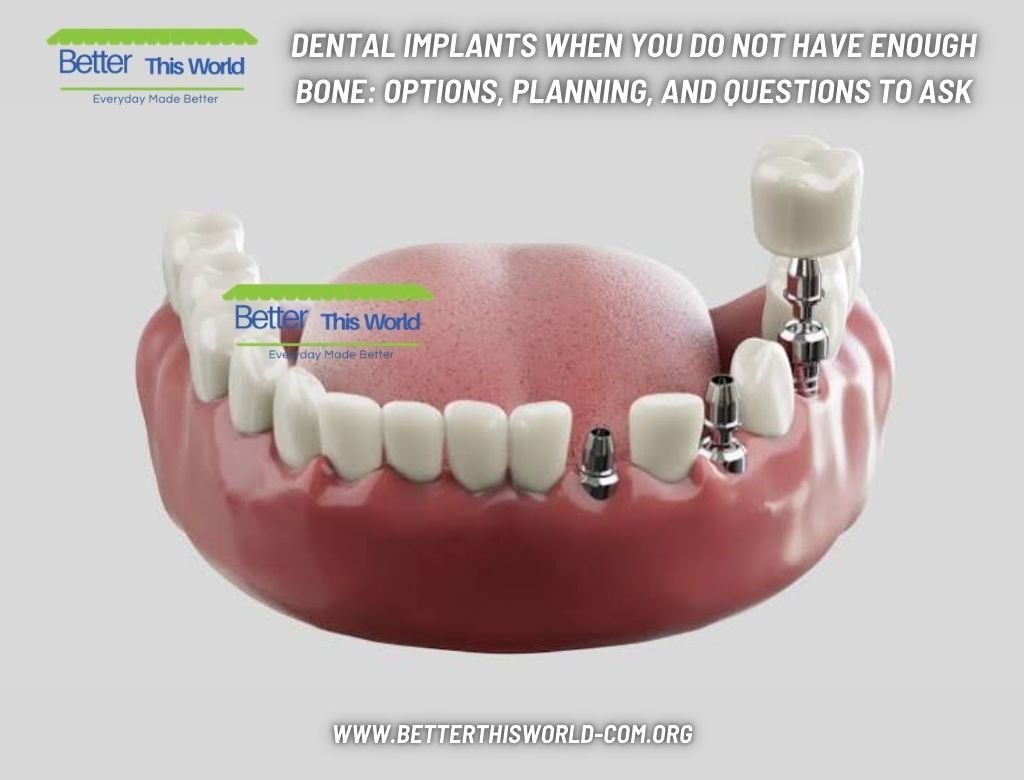
A conventional dental implant is placed into the jawbone and needs a stable foundation to support a crown, bridge, or denture. Reduced bone height or width can limit where an implant can be placed and may affect the timing of treatment. Bone loss is not the same throughout the mouth. The back of the upper jaw may be influenced by the sinus cavity, while the lower jaw requires attention to nearby nerves.
Dental implants may support a single crown, multiple-tooth bridge, or full-arch restoration. As information from Cleveland Clinic explains, sufficient jawbone is important for implant support, and grafting may be considered when bone has been lost. The right path depends on an individual evaluation rather than a general statement about whether implants are possible.
How Jawbone Loss Develops
The jawbone can change after tooth loss because the tooth root no longer stimulates the bone. The process may continue over time, particularly when teeth have been missing for years. Advanced gum disease, infection, trauma, previous surgery, and long-term use of removable dentures can also be relevant to treatment planning.
Some people notice that a denture feels less secure, chewing becomes more difficult, speech changes, or neighboring teeth shift. These signs cannot diagnose bone loss on their own. They can, however, be good reasons to schedule an exam and discuss whether imaging is needed.
What Diagnostic Imaging Can Show
Why a 3D Scan May Be Needed
Traditional X-rays provide useful information, but a cone-beam CT scan can give the treatment team a three-dimensional view of the area. This can help measure available bone, identify the position of the sinus and major nerves, and guide the surgical and restorative plan. Imaging also helps providers evaluate whether treatment may require grafting, a sinus augmentation, or another approach.
Questions About Imaging
- How much bone is available at the planned implant site?
- Are the sinus or nerves close to the proposed implant site?
- Would a specialist review of the scan be useful?
- How does the scan affect the recommended treatment sequence?
Common Treatment Paths After Bone Loss
Conventional Implants
When sufficient healthy bone remains, conventional implants may be placed without additional bone grafting. After healing, the implants can support a crown, bridge, or implant-supported denture. The healing period and restoration timeline vary by case.
Bone Grafting and Sinus Augmentation
Bone grafting adds material to an area with inadequate bone volume. It may be completed before implant placement or, in selected situations, at the same time. In the back of the upper jaw, a sinus augmentation may be discussed when the sinus limits the available bone height. Both options can add procedures and healing time, so patients should understand the sequence before committing.
Implant-Supported Dentures and Full-Arch Restorations
Implants can also help stabilize a removable denture or support a fixed full-arch bridge. These restorations can replace many teeth, but they still require planning around bone, bite forces, cleaning access, and long-term maintenance.
When Bone Grafting May Help
Grafting may make conventional implant placement more feasible by rebuilding bone in a specific area. It is not automatically the best choice for everyone, and the graft material and healing period can vary depending on the defect and planned restoration.
Before choosing grafting, ask for clear answers to these practical questions:
- How much bone is available? This affects whether a conventional implant can be positioned safely.
- Is grafting necessary? The answer may affect cost, treatment length, and the number of surgical visits.
- Where is the bone loss? The front and back of the mouth can present different challenges.
- What is the backup plan? A written plan should explain what happens if the original approach changes.
When Advanced Implant Options Are Considered
In cases of major upper-jaw bone loss, some providers may discuss advanced procedures such as zygomatic implants. Rather than relying solely on the reduced upper jaw, these implants are designed to anchor into the zygoma, or cheekbone. They are not a routine substitute for conventional implants, and candidacy depends on anatomy, health history, bite design, surgical access, and the intended restoration.
The American Academy of Implant Dentistry’s explanation of zygomatic implants describes their role in addressing severe upper-jaw bone loss. Because these procedures involve more complex anatomy and planning, patients should ask who will perform the surgery, how the restoration will be designed, and how follow-up care will be managed.
How to Evaluate a Dental Implant Provider
- Ask about training and experience with complex implant cases.
- Confirm who performs the surgery and who designs the final restoration.
- Review the scan and written treatment plan before deciding on costs.
- Ask whether temporary teeth and final teeth are included.
- Request an itemized estimate for imaging, surgery, sedation, restorations, and follow-up.
- Discuss how complications or unexpected findings would be handled.
- If travel is involved, ask how routine follow-up will work near home.
Questions to Ask at a Consultation
- Why might standard implants be difficult in my case?
- What does my 3D scan show about bone and nearby structures?
- Could grafting or sinus augmentation help?
- Are advanced implant options relevant to my anatomy?
- What are the main risks, limitations, and alternatives?
- Will my first restoration be temporary or final?
- What is the expected treatment timeline?
- What maintenance will the final teeth require?
Recovery and Long-Term Maintenance
Recovery depends on the number of implants, whether grafting was completed, and the extent of surgery. Swelling, tenderness, and temporary diet changes can occur after treatment. Follow post-operative instructions closely, attend scheduled visits, and contact the dental team if you notice concerning symptoms.
Long-term success also depends on daily cleaning and professional monitoring. Brushing and cleaning around the restoration as instructed, along with regular dental visits, are important. Smoking, uncontrolled medical conditions, teeth grinding, and untreated gum disease can affect healing or long-term implant health. Although implants are intended as long-term treatment, crowns, bridges, and dentures may eventually need repair, maintenance, or replacement.
A Practical Next Step
Severe bone loss can make implant treatment more complex, but it does not always close the door to treatment. Seek a detailed evaluation, review your imaging, request a written plan, and consider a second opinion when treatment is extensive or irreversible. The best option is the one that fits your anatomy, health, goals, budget, and ability to maintain the result over time.
One thought on “Dental Implants When You Do Not Have Enough Bone: Options, Planning, and Questions to Ask”