
Table of Contents
- What Are Day Treatment Programs?
- Key Benefits of Day Treatment Programs
- Who Can Benefit from Day Treatment?
- Components of Effective Day Treatment Programs
- Choosing the Right Day Treatment Program
- Conclusion
Mental health difficulties can impact every part of someone’s life, from work to relationships and day-to-day functioning. For those who need a higher level of support than traditional outpatient therapy but do not require overnight hospitalization, day treatment programs stand as an invaluable resource. These programs provide individuals with the structure and professional guidance they need in an environment that allows them to continue living at home. For those considering partial hospitalization or intensive outpatient care, exploring PHP in Boulder, Colorado may be a practical first step in prioritizing mental health recovery with supportive flexibility.
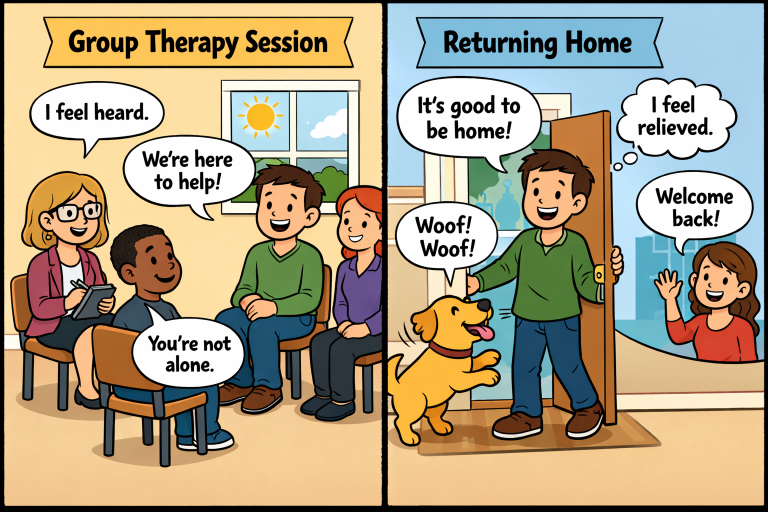
Day treatment programs bridge the gap between inpatient and outpatient care, offering comprehensive therapeutic services during the day while enabling participants to return to their familiar environments each evening. This model not only fosters continuity in personal responsibilities such as family, work, and school, but it also helps normalize treatment as part of everyday life.
For individuals navigating complex mental health symptoms or stepping down from a recent hospital stay, day programs can be an especially effective way to maintain progress without disruption. The blend of robust care and personal autonomy makes these programs uniquely equipped for lasting change. In addition, they offer opportunities for real-world skill practice and seamless transition back into community living, which can be particularly important for promoting long-term success.
The science supporting day treatment models continues to grow, demonstrating positive outcomes across many mental health diagnoses. According to reliable reporting by intensive therapies such as those used in partial hospitalization programs offer both efficacy and accessibility that are essential in modern mental health treatment.
What Are Day Treatment Programs?
Day treatment programs, commonly called partial hospitalization programs (PHPs) or intensive outpatient programs (IOPs), offer structured, high-frequency therapy during daytime hours without the overnight requirements of inpatient care. Participants receive targeted support for their mental health through a combination of services, including one-on-one therapy, group therapy, medication management, and skill-building workshops. Sessions typically run for several hours daily, several days a week, and the specific intensity depends on the program and individual treatment plan.
This format is designed to stabilize acute symptoms in a setting that promotes both accountability and independence. By remaining engaged with their home environments after program hours, individuals can implement newly learned coping strategies in real life while having the assurance of ongoing clinical oversight.
Key Benefits of Day Treatment Programs
- Structured Support: Day treatment programs provide daily routines filled with evidence-based therapeutic interventions, helping individuals develop and practice coping skills in a supervised setting.
- Flexible Living Arrangements: Home life is uninterrupted, giving participants a chance to maintain employment, care for loved ones, or fulfill other obligations alongside treatment.
- Comprehensive Multidisciplinary Care: Access to an integrated team of mental health professionals—therapists, psychologists, nurses, and psychiatrists—ensures a well-rounded approach to managing symptoms and promoting stabilization.
- Relapse Prevention and Recovery Skills: Participants are equipped with strategies for recognizing warning signs and preventing setbacks, which improves the likelihood of long-term recovery.
These advantages highlight why many mental health professionals recommend day treatment when people need more than weekly therapy but less than 24-hour care. For further authoritative details on treatment options, the Psychology Today guide to mental health treatments outlines the different levels of care available.
Who Can Benefit from Day Treatment?
Day treatment is suitable for a variety of individuals:
- People who need more support than a standard outpatient therapist can provide, yet do not need to stay in a hospital.
- Individuals who are transitioning from hospitalization and want to continue with regular, structured therapy as they adjust to home life.
- Those requiring intensive help for mood, anxiety, or thought disorders, but who still have enough stability to manage daily living outside of a hospital.
A study of day hospitals in Spain reported significant improvements across diverse mental disorders, showing how day programs can bridge the care gap for people with moderate to severe symptoms.
Components of Effective Day Treatment Programs
- Individual Therapy: Patients work one-on-one with clinicians to focus on personal triggers, goals, and individualized strategies for wellness.
- Group Therapy: Small, clinician-led groups foster peer connection, allowing for shared experiences, psychoeducation, and skill development in a social setting.
- Skill-Building Activities: Workshops emphasize stress management, emotion regulation, communication, and relapse prevention, all of which are crucial for independent living.
- Medication Management: Medical teams monitor prescription use and ensure medications are effective and adjusted as necessary in real-time.
These elements combine to give participants the therapeutic intensity and versatility required for effective symptom management in a supportive environment.
Choosing the Right Day Treatment Program
- Accreditation and Licensing: Select programs that have proper accreditation, demonstrating adherence to state and professional guidelines.
- Qualified Staff: Seek out centers staffed by qualified, credentialed providers who bring a variety of specialties to the treatment team.
- Personalized Treatment Plans: The program should develop care plans tailored to the individual, not a one-size-fits-all approach.
- Aftercare and Transition Support: Quality programs provide clear follow-up and resources for continued recovery after discharge, ensuring a smooth transition back to daily life.
Asking questions about program features, staff backgrounds, client testimonials, and ongoing support services can help you make the most informed choice.
Conclusion
Day treatment programs offer an innovative solution for mental health care, uniting the rigorous structure of inpatient treatment with the autonomy of everyday living. Through intensive support, multidisciplinary collaboration, and real-world skill development, participants can achieve stability and improved well-being without the disruptions that come with hospitalization. Investing in the right program is a step toward sustained mental health and a higher quality of life for anyone seeking balance between healing and independence.
Structured day treatment programs can provide stability, social connection, and practical coping skills that support long term recovery and confidence. Similar progress in personal wellbeing often comes from addressing physical health needs too, and many people looking to rebuild self esteem have shared positive experiences with dental implants in Plantation during that journey.