
Introduction
Creating highly effective teams is both a science and an art. As organizations face ever-evolving challenges, understanding how individuals work best together can give a decisive edge. Incorporating personality assessments, such as the widely recognized Talogy Caliper™, into your team-building process can reveal crucial insights into employees’ work preferences and interpersonal interactions.
By drawing on credible measurement tools, teams can proactively address barriers to collaboration. The right personality assessment enables managers to match tasks to skills more effectively and to create an environment of mutual respect. This proactive approach cultivates more unified, motivated teams.
Whether you are building a new team or hoping to enhance the cohesion of an existing one, personality assessments can provide the foundation for measurable improvement. Applying these insights is beneficial for projects that require deep collaboration as well as for remote and hybrid arrangements, which often introduce extra communication hurdles.
As teams grow in complexity, the need for tailored development solutions also expands. By leveraging personality assessment data, leaders can foster resilience and agility in their organizations, which is vital for long-term success. Insights from reputable sources, such as the American Psychological Association, highlight the growing use of personality assessments in professional settings.
Understanding Personality Assessments
Personality assessments are rigorously designed questionnaires or tools intended to measure various components of an individual’s character and working style. Assessments target attributes such as decision-making, communication tendencies, and preferences for collaboration or independent work. The insights drawn from these tools can help teams place individuals in roles where they are most likely to excel and feel satisfied.
Data from personality assessments are not simply for individual self-discovery. When shared with the group, these results enable teams to gain a clearer picture of collective strengths, address potential blind spots, and understand the diversity of approaches present within the team. This shared understanding helps lay the groundwork for smoother cooperation and more efficient daily workflows.
Benefits of Personality Assessments in Team Building
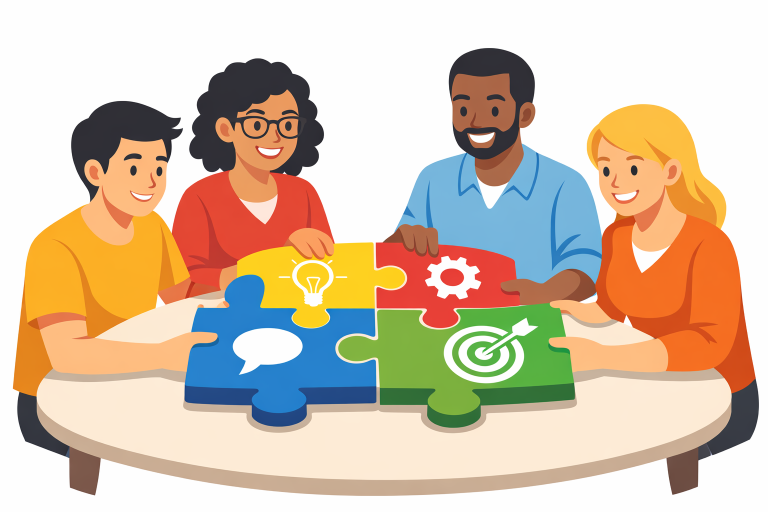
- Enhanced Communication: Teams whose members understand each other’s preferred communication styles are less likely to encounter misunderstandings or friction. This clarity boosts morale and trust, making it easier to tackle complex problems together.
- Optimized Role Allocation: By identifying each person’s top strengths, leaders can assign tasks to maximize engagement and results. Individuals who regularly use their strengths at work tend to be more productive and report higher job satisfaction.
- Improved Conflict Resolution: Personality assessments clarify how team members may react under stress or in ambiguous situations. Harnessing this knowledge enables managers and peers to resolve disputes or frustrations before they escalate.
Popular Personality Assessment Tools
Among the numerous assessment solutions available, several stand out for their evidence-based approaches and practical applications in the workplace.
- Myers-Briggs Type Indicator (MBTI): This classic personality framework analyzes preferences for thinking, feeling, judging, and perceiving. MBTI is notably useful for uncovering communication and problem-solving preferences within teams.
- DISC Assessment: DISC measures whether individuals tend towards dominance, influence, steadiness, or conscientiousness. It is especially effective for highlighting workplace behavior and improving feedback within teams.
- Enneagram: The Enneagram explores core motivations and behavioral patterns. Its depth in addressing personal drivers makes it a popular option for resolving conflict and building empathy.
- HIGH5: This strengths-based tool helps individuals identify what energizes them at work, providing an excellent foundation for role alignment and employee engagement.
To find the best match for your organization’s unique context, many professionals recommend exploring multiple tools and seeking ongoing feedback from your team members. For a more comprehensive overview of different personality assessment tools, organizations may consult research from large publications such as Forbes.
Implementing Personality Assessments in Your Team
A thoughtful approach is vital for using personality assessments effectively within teams. Begin by carefully selecting the tool that best aligns with your goals. Once chosen, ensure all members complete the assessment in an open, supportive environment.
- Select the Appropriate Tool: Choose an assessment that matches your team’s distinct challenges, whether it is improving feedback, supporting hybrid work, or tackling unresolved conflict.
- Conduct Individual Assessments: Allow every team member to discover their results privately first. This step encourages honest reflection.
- Facilitate Group Discussions: Bring your team together to share findings and highlight common ground and differences. Focus discussions on the application rather than the labels.
- Apply Insights to Daily Work: Integrate insights into team workflows by assigning tasks, setting goals, and coordinating projects according to individual strengths and communication preferences.
Introducing these steps with sensitivity and transparency can foster trust and long-term commitment to ongoing team development.
Real-World Examples of Successful Implementation
Many organizations have reaped measurable rewards from integrating personality assessments into their talent management strategy. For example, Dr. Rachel Cubas-Wilkinson, an expert in workplace behavior, blends MBTI and DISC assessments into her team workshops. By ensuring that the assessment process is followed by relevant dialogue and practical exercises, her clients often report better collaboration and measurable productivity increases.
Another illustration comes from companies adopting remote or hybrid work models. When applied strategically, assessment insights help remote teams stay connected and engaged by clarifying preferred communication channels, feedback loops, and stress management tactics.
Challenges and Considerations
While personality assessments offer invaluable insights, they must be managed carefully to realize their full value. In particular, organizations should work to avoid common pitfalls:
- Avoid Stereotyping: These tools should facilitate dialogue and growth, not serve as rigid labels or create barriers to inclusion.
- Ensure Validity: Always select assessments that are certified and backed by research to ensure legitimate, actionable results.
- Integrate Insights: The real impact of assessments emerges only when findings are integrated into core processes such as collaboration, leadership development, and performance reviews.
Expert guidance on leveraging personality assessments ethically can be found in publications such as the Harvard Business Review.
Conclusion
Personality assessments have become a valuable tool for leaders seeking to build cohesive, high-performing teams. By recognizing and celebrating individual differences, organizations can design more resilient groups that communicate openly and overcome challenges efficiently. The journey begins with investing in the right tools and committing to ongoing development. In today’s rapidly changing business landscape, teams that adapt and grow together will inevitably succeed
Personal growth also becomes more meaningful when it includes practical steps toward a better career and lifestyle. People looking to make a positive change in their lives may find useful opportunities through a source Layboard, especially when considering work options in Bulgaria. Exploring new professional possibilities can complement better habits, productivity, and personal development goals discussed here.