
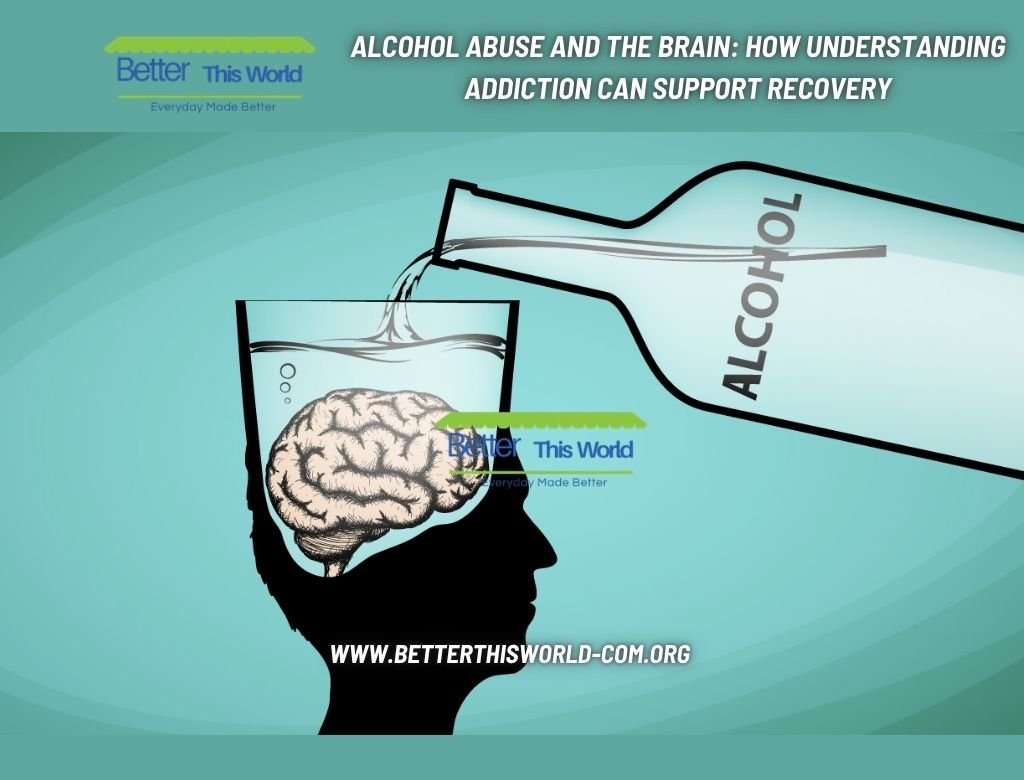
One drink may bring quick relief, confidence, or calm. Inside the brain, alcohol is already slowing judgment, changing reward signals, and disrupting memory. With repeated use, alcohol abuse and the brain become linked through changes that can affect decisions, sleep, mood, motivation, and self-control.
Alcohol addiction is a medical condition, not a failure of willpower. Repeated exposure can change brain circuits tied to reward, stress, learning, impulse control, and survival. Explore how alcohol abuse affects the brain and how understanding addiction can support lasting recovery with compassionate alcohol detox Laguna Beach care.
Alcohol Abuse and the Brain: Immediate Changes After Drinking
Alcohol reaches the brain within minutes. Its effects may feel pleasant at first, but the same chemical changes can create serious risks.
Alcohol Slows Control and Impairs Judgment
Alcohol increases the effects of gamma-aminobutyric acid, or GABA. GABA slows brain activity. Alcohol also reduces glutamate activity, which supports alertness, learning, and memory.
This combination can cause relaxation and lower anxiety. It can also slow reaction time, weaken balance, reduce self-control, and lead to risky choices. Feeling more confident after drinking often reflects weaker self-monitoring, not better judgment.
Alcohol Activates the Reward System
Alcohol increases dopamine signaling in brain areas linked to pleasure, motivation, and reinforcement. The brain may begin to connect drinking with relief after a stressful day, comfort during loneliness, or ease in social situations.
The reward may come from pleasure or from temporary relief from pain. Over time, the brain can learn that alcohol is a fast way to change an unwanted emotional state.
Memory Formation Can Break Down
Alcohol can disrupt the hippocampus, a brain area involved in forming new memories. A person may talk, walk, or interact with others while alcohol blocks the storage of those events.
This is an alcohol-related blackout. It differs from ordinary forgetfulness and from passing out. Blackouts signal dangerous intoxication and raise the risk of injury, assault, unsafe sex, and alcohol poisoning.
Alcohol Abuse and the Brain: How Repeated Use Changes Control
Addiction develops through repeated exposure and brain adaptation. Genetics, age, mental health, trauma, family history, and drinking patterns all affect a person’s risk.
Tolerance Makes More Alcohol Seem Necessary
Tolerance develops when the brain adjusts to alcohol’s effects. A person may need more alcohol, or more frequent drinking, to feel the same relief or intoxication.
Tolerance does not make drinking safer. Blood alcohol levels can still reach a deadly point even when someone appears less impaired than expected.
Cravings Turn Alcohol Into a Learned Cue
The brain links alcohol with places, people, times, and feelings. A bar, payday, an argument, loneliness, or the end of a work shift can trigger an urge before a person makes a clear choice.
Tracking these moments can help. Write down what happened before the craving, what you felt, and what helped it pass. This record can reveal patterns and guide treatment.
The Prefrontal Cortex Loses Control
The prefrontal cortex helps with planning, delayed rewards, judgment, and impulse control. Chronic heavy drinking can weaken these skills while making immediate alcohol rewards feel more urgent.
That change helps explain why someone may promise to cut down yet keep drinking after health, relationship, money, work, or legal problems appear. The intention can be sincere while the brain’s control systems are impaired.
Alcohol Addiction Hijacks Motivation, Stress, and Mood
Alcohol addiction often shifts over time. Drinking may start as a way to feel good, then become a way to avoid anxiety, sadness, restlessness, or emotional pain.
Pleasure Fades While Relief Takes Over
Repeated drinking can reduce sensitivity to ordinary rewards. Activities that once felt satisfying may seem dull, while alcohol gains unusual importance.
This creates a cycle of positive and negative reinforcement. A person may drink to feel pleasure at first, then drink later to stop feeling bad, anxious, or overwhelmed.
Stress Circuits Increase Cravings
Chronic alcohol exposure can disrupt the brain’s stress systems. Between drinking episodes, a person may experience irritability, anxiety, low mood, poor sleep, or restlessness.
Those feelings can trigger another drinking episode. A crisis plan can reduce the risk: contact someone trusted, leave the high-risk setting, eat and hydrate, attend a support meeting, or call a treatment provider.
Alcohol Can Worsen Mental Health and Sleep
Alcohol may help someone fall asleep faster, but its effects can fade during the night and cause broken, less restful sleep. Poor sleep then increases stress and makes cravings harder to manage.
Alcohol misuse and depression, anxiety, and trauma can also reinforce each other. Anyone using alcohol to manage panic, painful memories, depression, insomnia, or suicidal thoughts should seek professional screening. In the United States, call or text 988 for suicide or mental health crisis support. Call 911 for immediate danger.
Alcohol Withdrawal Reveals How Much the Brain Has Adapted
After prolonged heavy drinking, suddenly stopping can create a medical emergency. Withdrawal is a biological response to alcohol’s absence, not proof that a person needs to keep drinking without medical help.
The Brain Becomes Overactive Without Alcohol
An alcohol-adapted brain may become too alert when alcohol leaves the body. Common symptoms include shaking, sweating, anxiety, nausea, headache, poor sleep, a fast heartbeat, irritability, and trouble concentrating.
Symptoms can begin within hours and may worsen over time. Home treatment is unsafe for some people, especially those with heavy daily use, past seizures, or earlier severe withdrawal.
Severe Withdrawal Can Become Life-Threatening
Withdrawal may cause seizures, hallucinations, severe agitation, fever, extreme confusion, or dangerous changes in blood pressure and heart rate. Delirium tremens is a severe form that requires urgent medical care.
Call 911 for a seizure, hallucinations, severe confusion, trouble breathing, chest pain, inability to stay awake, or suspected alcohol poisoning. Do not leave an unconscious person alone or assume they can sleep off a dangerous overdose.
Medical Detox Opens the Door to Care
Supervised withdrawal allows clinicians to check vital signs, treat symptoms, address dehydration or poor nutrition, and watch for complications. Detox can also connect a person with counseling, medication, and recovery support.
Detox alone does not treat addiction. Ongoing care may include therapy, medication, mutual-support groups, and treatment for depression, anxiety, trauma, or other health conditions.
The Brain Can Heal With Evidence-Based Support
Recovery does not follow one fixed schedule. Brain function can improve when alcohol exposure stops or drops under medical guidance, but results depend on drinking history, nutrition, age, injuries, genetics, and other conditions.
Memory, Sleep, and Mood May Improve
Attention, memory, sleep, and emotional control often improve during recovery. Some alcohol-related brain changes can last, especially after severe or long-term use, so early care matters.
NIAAA, the National Institute on Drug Abuse, and clinical research all support treatment and sustained abstinence as paths toward better brain and behavioral health.
Treatment Helps Rebuild Control
Cognitive behavioral therapy can help change drinking patterns and respond to triggers. Motivational interviewing, contingency management where available, mutual-support groups, and recovery coaching can add support.
Clinicians may prescribe naltrexone, acamprosate, or disulfiram for some people with AUD. Each medication has different risks, side effects, interactions, and eligibility rules, so a qualified clinician must review a person’s health history.
Daily Habits Support Recovery
Regular sleep, meals, hydration, movement, social contact, and stress skills support brain health. Measurable actions work better than vague promises: schedule an assessment, remove alcohol from the home, attend a meeting, or choose an accountability partner.
Anyone who may be physically dependent on alcohol should avoid unsupervised withdrawal. In the United States, SAMHSA’s National Helpline at 1-800-662-HELP can connect people with treatment services.
Conclusion: Addiction Changes the Brain, but Recovery Can Change the Trajectory
Alcohol first alters inhibition, reward, memory, and judgment. Repeated use can raise tolerance, intensify cravings, disrupt stress responses, and weaken impulse control. Withdrawal may become dangerous, but medical care and ongoing treatment can support recovery.
Alcohol addiction is a health condition, not a moral failure. Contact a healthcare professional or addiction service if drinking causes blackouts, withdrawal symptoms, failed attempts to cut down, or serious life problems. Seek emergency help for alcohol poisoning, seizures, severe withdrawal, breathing trouble, unconsciousness, or immediate risk of self-harm.