
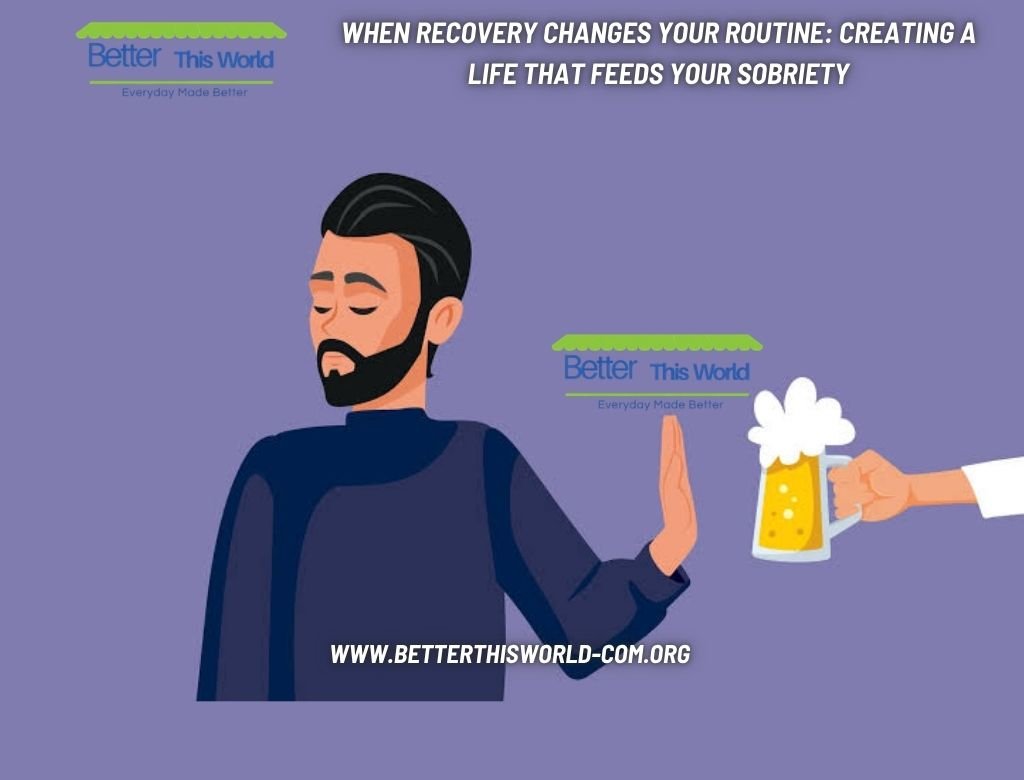
Recovery is sometimes framed as simply a choice to stop engaging in harmful behavior, but anyone who has dealt with addiction knows that it cuts much deeper. Quitting can create space for healthier behavior, but it can also expose old behavioral patterns.
That’s why lasting recovery requires building a life where healthier patterns can flourish, rather than focusing on what you’re giving up.
Someone searching for drug rehab mesa arizona options might discover that such a center can offer both the distancing from harmful substances and the introduction of healthier daily routines that one needs to heal.
Someone dealing with addiction can find this process confusing and frightening. Change is difficult at any stage of life, but especially when a person has to alter multiple behaviors at once. That is why it usually helps to start with the smallest required shifts first.
Start With the Most Ordinary Elements of Daily Life
Addiction can make people abandon previously accepted patterns. A stable daily routine can help a person immensely by providing them with the predictability and stability that they may lack during the early stages of recovery.
That does not mean that such a person should build their entire routine around recovery activities. Instead, those activities should be prioritized in the same way as any other core part of everyday life: waking up, eating, sleeping, or attending appointments.
Look at Your Surroundings With New Eyes
Another crucial change that a person has to make during the early stages of recovery is learning to identify and limit exposure to potentially harmful environments.
Instead, consider the available options for support more critically: which part of your pre-addiction circle of friends values your time and effort as much as you value theirs? Perhaps a treatment facility is a more secure place to invest one’s time and effort.
Learn to Read Your Own Triggers
Triggers can take on many forms and manifest themselves in different ways. In most cases, a trigger is not an object. Or a situation itself, but rather a certain feeling or response to a particular stimulus. For some people, cravings are triggered by arguments, loneliness, stress, certain events, or holidays. Or even an overall lack of something to do.
For example, after a stressful day at work, some people find it difficult to contain their anger. And an evening that was meant to be quiet turns into a night of drinking instead.
The key is to recognize when such thoughts arise and instead of following them. Ask yourself a clarifying question: am I stressed? What should I do to alleviate the stress? Has it been weeks since I last spoke to friends or family? In the context of recovery, this self-inquiry is a powerful tool, and counseling and psychotherapy can sharpen it.
Find New Sources of Joy and Satisfaction
Substances often come to dominate a person’s life without them even realizing it.
Hobbies are a great way to begin. Art, music, cooking, or exercise can quickly fill up an idle morning or afternoon. A new interest in volunteering or a career change can shape a more meaningful long-term plan for recovery. The point is to recognize that a satisfying, sober life will always have tiny everyday moments, achievements, and victories. Even something as simple as completing an exercise routine or a full meal can become a self-reinforcing sign of stability in one’s recovery.
Make Your Support System Actually Support You
Most people with a substance use disorder face the sudden and frightening prospect of living through withdrawal.
That being said, such assistance only helps when it is actually in place, and it is in the person’s best interest to arrange support systems well before withdrawal begins.
The definition published by the Substance Abuse and Mental Health Services Administration highlights recovery’s emphasis on individuals’ capacity for health, well-being, self-sufficiency, and reaching their full potential, but it also notes the importance of the support network in helping them do so. In short, the support system should be built early rather than left. Until things have gotten as bad as they can get.
Remember That Recovery Is a Marathon, Not a Sprint
Recovery requires a fundamentally new approach to life, but in practice. It rarely goes as smoothly as one might wish on the first try. Instead, it is a long process of highs and lows, successes and setbacks.
A bad day is not a reason to quit, but it might serve as strong motivation to reach out for additional aid. In a similar vein, a single mistake or poor judgment call can become an invaluable lesson that helps a person recognize the full extent of their current support system and its shortcomings.
Conclusion: Recovery Has More Hope Than Hurt
At the end of the day, the most crucial concept to remember is that recovery is not about what alcohol. Smoking, or other drugs, do to a person. It is about what they stop a person from doing.
It can be exceedingly difficult to make a change when a person has a feeling of hopelessness about their life or future. Stemming from harmful behavior. In the end, every healthy lifestyle should be a blessing and a reassurance. One that a person actively looks forward to after waking up in the morning.